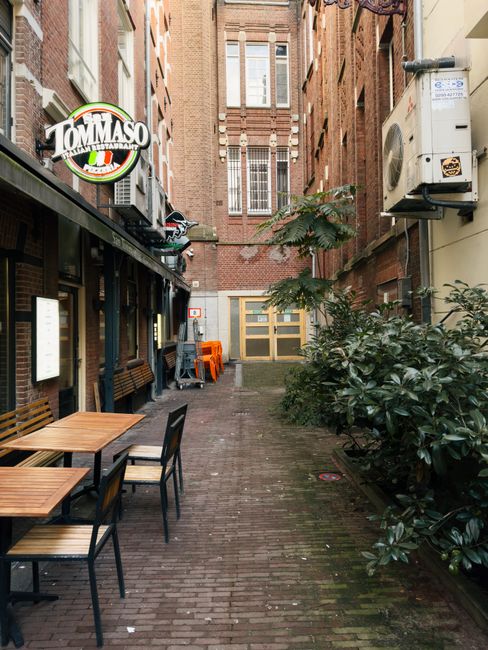
Amsterdam Centraal removals guide for narrow street properties

Moving out of a narrow street property near Amsterdam Centraal can feel like solving a puzzle while the clock is ticking. Tight corners, parked bikes, tram noise, low patience from neighbours, and not quite enough space for a van to breathe - it all adds up. This Amsterdam Centraal removals guide for narrow street properties walks you through the practical side of the move, from access checks and packing to vehicle choice and timing. If you are planning a home move, an office move, or even a single awkward furniture pick-up, the aim is the same: keep the move calm, safe, and as efficient as possible.
To be fair, the hardest part is usually not the lifting. It is the planning. Once you understand how narrow-street access changes the job, you can avoid the classic mistakes that make a moving day feel longer than it needs to be.
Why Amsterdam Centraal removals guide for narrow street properties Matters
Narrow streets around Amsterdam Centraal are not just "a bit tricky". They change the whole shape of a removal job. A standard moving truck may not be able to stop close enough. A larger vehicle might block traffic or simply not fit safely. Stairs can be steep, loading bays may be limited, and there is often less room for a team to stage boxes, protect door frames, or rotate bulky items through the entrance.
This matters because removals are usually won or lost in the first ten minutes. If access is poor and nobody has thought it through, crews waste time shuttling items back and forth. That can increase handling, increase fatigue, and increase the risk of damage. In a compact city setting, even a small delay can snowball. One misplaced sofa can hold up the entire morning. Yes, really.
For narrow street properties, the job is as much about logistics as it is about lifting. The best outcomes come from matching the right vehicle, the right team size, and the right timing to the street itself. That is where experienced removal company support can make a real difference, especially when the property layout is a little unforgiving.
Expert summary: In tight city streets, the most efficient removals are rarely the ones with the biggest vehicle. They are the ones with the cleanest access plan.
How Amsterdam Centraal removals guide for narrow street properties Works
The process usually starts long before moving day. A good move in a narrow street setting begins with access assessment. That means checking where a van can stop, whether there is space to unload safely, how far items need to be carried, and whether the route includes stairs, shared entrances, or awkward turns. If you skip this part, you are basically guessing. And guessing with a wardrobe is rarely a good strategy.
Once access is understood, the moving plan becomes clearer. A compact vehicle or man and van style service may be more suitable than a larger truck if the street is especially tight. In other cases, a bigger vehicle parked a short distance away, combined with careful carrying and a two-person team, may be the smarter choice. There is no universal answer here; the right setup depends on the property, the load, and the local street conditions.
Then comes packing and loading. For narrow street removals, items need to be ready to move quickly once the crew arrives. That means strong boxes, clearly labelled contents, dismantled furniture where possible, and a protected pathway inside the property. If you are relocating a full home, it can help to use packing and unpacking services so the day is not derailed by loose items, missing tape, or a last-minute scramble for bubble wrap.
Finally, there is the actual transfer. This part sounds obvious, but it is where the small decisions matter most. Can the team keep to a simple route from door to vehicle? Is there enough turning space for bulky furniture? Are fragile items loaded last and unloaded first? In narrow streets, these little decisions save a surprising amount of time and stress.
Key Benefits and Practical Advantages
When the move is planned properly, the benefits are not just convenience. They affect safety, timing, and the condition of your belongings.
- Less handling: If the van can stop closer to the property, items are carried fewer times.
- Lower damage risk: Careful route planning reduces scraping on walls, bannisters, and door frames.
- Better time control: A realistic access plan helps the team work in a steadier rhythm.
- Less neighbour disruption: Shorter loading windows mean less noise, less congestion, and fewer awkward conversations in the stairwell.
- Smarter vehicle choice: Not every job needs a full truck. Sometimes a smaller vehicle is simply the better tool.
There is also a quieter benefit: peace of mind. Once you know the access problem has been thought through, the whole day feels more manageable. You do not keep wondering if the sofa will fit, or if the van will end up parked two streets away. That mental load matters more than people admit.
If your move is part of a larger home relocation, it may be worth comparing service types such as home moves, house removals, and even a more flexible removals option. Different properties need different levels of support, and narrow streets reward flexibility.
Who This Is For and When It Makes Sense
This guide is especially useful if you live in, or are moving from, a property where the street is tight, the entrance is awkward, or parking is limited. Think upper-floor flats, canal-side homes, converted townhouses, small commercial units, or older buildings with narrow staircases and no lift. If that sounds familiar, you are in the right place.
It also makes sense for people moving:
- from a property near Amsterdam Centraal where loading space is limited
- into a building with a shared entrance or steep internal stairs
- with large items like beds, wardrobes, desks, and white goods
- on a schedule that depends on precise arrival and departure timing
- with children, pets, or vulnerable household members who need the day to stay calm
Commercial moves can benefit too. A small office, studio, or retail space in a narrow street is often harder to move than it looks. If that is your situation, a focused office removals or broader commercial moves approach may be a better fit than a standard household move. You want the move to match the building, not the other way round.
Step-by-Step Guidance
1. Measure the access properly
Start with the basics: doorway widths, stair turns, ceiling heights, and any tight corners between rooms and the exit. Then look outside. Where can a vehicle stop? How long is the carry distance? Are there bollards, bike racks, steps, or low-hanging hazards? It sounds dull, but it is the bit that saves the day.
2. Choose the right moving setup
For a narrow street property, a smaller vehicle often works better than a large one. A moving van or removal van can be much easier to position than a bigger lorry. If the move is lightweight and access is very tight, a man with van arrangement may be enough. If the property is larger, a moving truck may still be appropriate, but only if the street can realistically support it.
3. Prepare the property before moving day
Clear hallways, remove loose rugs, protect floors if needed, and pre-label everything. If you are moving through a tight staircase, remove wall art, mirrors, and anything that could snag. A ten-minute tidy-up can save a 30-minute wobble with a heavy table. Small effort, big reward.
4. Dismantle bulky furniture early
Wardrobes, bed frames, large desks, and some shelving units should be taken apart in advance where possible. Keep fittings and screws in labelled bags. It is not glamorous work, but future-you will be grateful at 7:40 on moving morning.
5. Load in a sensible order
Start with sturdy, less fragile items and build towards the delicate things. Keep essentials accessible. If the vehicle is parked a short walk away, the loading order matters even more because you do not want to repeatedly move the same box around. In compact city moves, efficiency is a form of kindness.
6. Confirm the unloading plan
Think ahead to the destination too. Is the drop-off street narrow as well? Is there a lift? Will someone be there to guide the crew? A move becomes easier when both ends are planned, not just the departure point.
Expert Tips for Better Results
In our experience, the best narrow-street moves are the ones where the client has already imagined the day in a realistic way. Not pessimistically. Just honestly.
- Use one person as the point of contact. Too many directions from too many people can slow everything down.
- Keep a "first needed" box separate. Kettle, charger, toiletries, documents, and a clean set of clothes should not be buried.
- Protect corners before the team arrives. Door frames and stair edges always seem to find the most vulnerable item.
- Move early if possible. Mornings are usually calmer, and the street is often easier to manage before it gets busy.
- Photograph valuable items before loading. It is a simple habit, and it can be very useful if anything needs checking later.
- Be realistic about your own energy. If you are already exhausted before the boxes leave the hallway, the move is probably too ambitious.
A small but useful tip: put a bit of paper in each room with a bold room name. It sounds almost too simple, but it saves a lot of "where does this box go?" chatter. Honestly, that one gets overlooked all the time.
Common Mistakes to Avoid
Narrow street removals tend to expose mistakes very quickly. Here are the ones that cause the most trouble.
- Assuming a standard truck will fit. This is the classic error. Streets can look wider in a quick visit than they are in practice.
- Leaving packing until the last evening. That creates chaos, and chaos is not friendly to staircases.
- Ignoring carry distance. A van parked "not too far away" can still mean several exhausting trips.
- Forgetting about neighbours or access sharing. Shared entrances need a bit of courtesy and planning.
- Not measuring furniture properly. A sofa that clears the door in your head is not the same as a sofa that clears the door in real life.
- Overfilling boxes. Heavy boxes are harder to carry through tight spaces and more likely to split.
One more thing: do not rely on hope as an access strategy. Hope is lovely for a lot of things. Not for removing a piano down a narrow stairwell.
Tools, Resources and Recommendations
You do not need a warehouse of specialist kit, but a few tools make a narrow-street move much smoother.
- Furniture blankets and wraps: help protect finishes on sharp turns and stair edges.
- Strong tape and labels: speed up packing and room sorting.
- Straps and trolleys: useful for controlling heavier items in short, awkward carries.
- Floor protectors: worth using if rain, grit, or heavy foot traffic is likely.
- Basic tool kit: Allen keys, screwdrivers, and a small bag for fixings save a lot of last-minute searching.
From a service perspective, the right provider should feel prepared rather than improvised. It helps to compare the style of support you need with a trusted removal services approach, or a more adaptable removals van setup if access is tight and the move is lighter. If you are looking for a smaller, practical option, man with a van can be a sensible fit for apartments, studio moves, and furniture runs.
It is also worth checking how the company handles safety, customer communication, and insurance. Those things are not exciting, granted, but they are the difference between a stressful day and a controlled one. You can review broader service expectations on pages such as insurance and safety, health and safety policy, and recycling and sustainability to understand the standards behind the move.
Law, Compliance, Standards, or Best Practice
For narrow street removals, the main thing is to stay within local access rules, building rules, and common-sense safety practice. Depending on the street and property, there may be loading restrictions, permit requirements, or shared-access expectations. Those details can vary, so it is sensible to check the practical rules that apply to your exact location rather than assuming the same arrangement will work everywhere.
Good moving practice also means safe manual handling, sensible vehicle positioning, clear communication, and proper care for the property. If a team cannot park close enough without creating a hazard, they should adjust the plan. If a staircase is too tight for a bulky item, it should be dismantled or handled differently. No heroics needed.
From a service-trust perspective, look for clear terms, transparent payment handling, and a straightforward complaints route in case something goes wrong. That is standard good business practice, and it helps build confidence before the move even starts. If you want to understand the company's operating approach, pages like about us, terms and conditions, payment and security, and complaints procedure are useful to review.
If you are comparing providers, it is sensible to look for a clear pricing and quotes process and a company that feels organised rather than vague. Narrow-street removals are too fiddly for vague.
Options, Methods, or Comparison Table
Different access conditions call for different moving methods. Here is a simple comparison to help you decide what fits your property best.
| Method | Best for | Strengths | Limitations |
|---|---|---|---|
| Man and van | Studio flats, single-room moves, a few bulky items | Flexible, easier to park, often ideal for narrow streets | Not always suited to very large loads |
| Removal van | Small to medium home moves | Good balance of capacity and manoeuvrability | May still struggle in very tight or heavily restricted streets |
| Moving truck | Larger household or office moves where access is decent enough | High capacity, fewer trips | Harder to position in compact streets |
| Full removals service | Complex moves, awkward furniture, time-sensitive relocations | More hands, more planning, better handling of difficult items | Usually more involved to arrange |
The right option depends less on the "size" of the move and more on the reality of the access. A modest flat move can be more difficult than a larger one if the staircase is brutal. It happens all the time.
Case Study or Real-World Example
Picture a top-floor flat near Amsterdam Centraal with a narrow street, a shared entrance, and no lift. The move includes a bed frame, a wardrobe, four medium boxes of books, a desk, and a sofa that looked smaller in the lounge than it did in the hallway. Classic. On paper, it sounds manageable. In practice, it needs care.
The first step is to keep the vehicle compact enough to stop safely without blocking the street. The second is to dismantle the wardrobe and bed frame before the team arrives. The third is to label boxes by room and keep the heaviest items in the easiest-to-grip containers. Because the stairwell is tight, the sofa is measured before moving day, and the route is cleared well in advance. Small things, but they matter.
The result is usually a calmer, faster move. The team spends less time improvising, the street stays less cluttered, and the client is not forced into awkward decisions halfway through the day. That kind of move does not feel flashy. It just feels smooth. Which, honestly, is what most people want.
Practical Checklist
Use this checklist the day before and the morning of the move.
- Measure doorways, stair turns, and major furniture items
- Confirm where the vehicle can legally and safely stop
- Dismantle beds, wardrobes, and large shelves where possible
- Pack and label boxes by room
- Separate valuables, documents, medicines, and chargers
- Protect floors, corners, and bannisters if needed
- Keep a clear path from each room to the exit
- Check both departure and arrival access
- Have one person available to answer questions on the day
- Keep drinks, snacks, and a little patience close by
A move always looks easier on the checklist than in real life, but that is a good thing. A clear plan usually means fewer surprises.
Conclusion
Moving from a narrow street property near Amsterdam Centraal is rarely about brute force. It is about planning, fit, timing, and choosing the right method for the space you actually have. Once you treat access as the main event, not an afterthought, everything gets easier: loading, carrying, protecting your belongings, and keeping the day steady.
Whether you are arranging a home move, a small office relocation, or a single awkward furniture move, the same principle applies. Measure first, choose the right vehicle, pack properly, and stay realistic about the street itself. It sounds simple because, with the right preparation, it is. Not effortless. Just manageable.
Get a free quote today and see how much you can save.
Frequently Asked Questions
What makes a narrow street property harder to move from?
The main issue is access. Tight roads, limited parking, shared entrances, and awkward staircases can all slow the move down and increase handling.
Is a man and van service enough for an Amsterdam Centraal narrow street move?
Often, yes for small moves or a few bulky items. For larger household loads, you may need a bigger removal setup, depending on access and volume.
Should I book a large vehicle or a smaller one?
If the street is very tight, a smaller vehicle is usually easier to position. A larger truck may work only if there is enough space to stop and unload safely.
Do I need to dismantle furniture before moving day?
In narrow properties, it is usually wise to dismantle large furniture in advance if you can. It makes corners, stair turns, and doorways much easier to manage.
How early should I prepare for a narrow street move?
Ideally, start a few days ahead. Measure access, pack gradually, and clear the property so the moving team is not left waiting while boxes are still being sealed.
What if the van cannot stop directly outside?
Then the move needs a carry plan. That might mean a short walk, more time, or a smaller vehicle. It is better to plan for that in advance than hope it sorts itself out.
Can packing services help with difficult access?
Yes. Good packing support can save time and reduce breakages, especially when items need to be moved quickly through tight spaces.
How do I avoid damaging walls and stair rails?
Clear the route, protect corners where needed, and make sure bulky items are carried by people who know how to turn them safely in tight spots.
Is this kind of move suitable for office relocations too?
Absolutely. Small offices, studios, and workspaces in narrow streets can face the same access issues as homes, sometimes even more so.
What should I ask before booking a removal company?
Ask about vehicle size, access planning, insurance, timing, and how they handle tricky furniture. If the answers are clear, that is usually a good sign.
How do I know if I need a full removals service or just a van?
If your move includes multiple rooms, heavy furniture, or difficult access, a full removals service may be more practical. If it is light and straightforward, a van-based option may be enough.
What is the biggest mistake people make with narrow street removals?
Assuming access will be fine without checking it properly. That one mistake causes a lot of last-minute stress, and it is very avoidable.