Office Removals in Netherlands
Reliable Office Relocation for Businesses Across the Netherlands
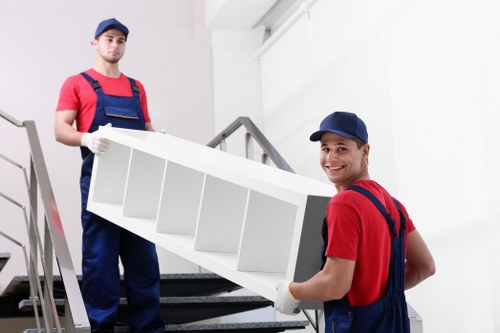
Office removals in Netherlands require more than simply moving desks from one building to another. For local businesses, it is about keeping operations running, protecting equipment, managing time-sensitive schedules, and making sure staff can get back to work quickly. Whether you are moving a compact office in Amsterdam, a growing company in Rotterdam, a shared workspace in Utrecht, or a larger commercial floor in The Hague, the right removal plan makes all the difference.
The Netherlands has a wide mix of office environments, from historic canal buildings and modern business parks to multi-tenant office towers and industrial units. That variety creates real moving challenges: narrow staircases, lift bookings, loading bay restrictions, permit requirements, busy city centres, and limited parking close to entrances. A local team understands these practical issues and plans around them before moving day even begins.
When companies search for office removals Netherlands, they are usually looking for a service that feels organised, careful, and efficient. They want to know that computers, servers, furniture, files, and specialist equipment will be handled properly. They also want a move that is flexible enough to work around staff schedules, building access times, and business deadlines. That is exactly why a local office removal service is so valuable.
Designed for Busy Workplaces
Office moves are rarely simple. They involve people, equipment, paperwork, logistics, and often a strict deadline. A good removal plan helps reduce downtime and gives your team confidence that the process is under control. From small startups to established corporate offices, a structured approach helps make the transition smoother for everyone involved.
Book your service now if you want a move that is planned around your business needs, not the other way around.
What Office Removals Typically Include

A professional office removal service can cover several stages of the relocation process. The exact scope depends on the size of your workspace and the type of assets that need moving, but local customers usually benefit from a service that includes planning, packing, transport, and placement at the new premises.
For many customers, the biggest value is the ability to hand over the physical work to experienced movers while internal staff stay focused on business continuity. That can save time, reduce stress, and lower the risk of damage during a rushed move.
Typical office removals services may include:
- Initial move planning and scheduling
- Packing of office contents and fragile items
- Disassembly and reassembly of desks, shelving, and workstations
- Safe transport of IT equipment, monitors, and office furniture
- Labelling and room-by-room placement at the new office
- Help with archive boxes, documents, and storage items
- Coordination with building access, lifts, and loading areas
Some businesses also need support with specialist items such as printers, filing cabinets, meeting room tables, or equipment used in design, finance, legal, healthcare, or consultancy environments. If you have sensitive items, it is worth discussing them early so the moving team can prepare the right packing materials and handling method.
Request a free quote to discuss the size of your office, your moving date, and any special requirements.
Why Local Knowledge Matters in the Netherlands

The Netherlands is compact, well connected, and business-friendly, but that does not mean every office move is straightforward. Local knowledge matters because office removals often depend on practical details that can vary from one town or city district to another. A team that works regularly in the region is more likely to understand access rules, traffic patterns, and the realities of moving in built-up areas.
In Amsterdam, for example, historic streets and limited loading space can affect how a move is organised. In Rotterdam, commercial buildings and larger business zones may require careful timing around shared access points. Utrecht, Eindhoven, Leiden, Amersfoort, and Haarlem each have their own local access considerations. Even between neighbourhoods, parking, permits, and lift availability can change the whole plan.
For businesses located in mixed-use areas or older buildings, the move may also need extra care for stair access, narrow corridors, and protected flooring. A local crew that has worked in a range of Dutch property types is often better prepared for these conditions. That leads to fewer delays, less confusion, and a better experience for your team.
Common Dutch Office Building Types
Office removals in Netherlands often involve:
- Modern business parks with loading docks and goods lifts
- City-centre office buildings with restricted access
- Converted heritage properties with stairs and tight corners
- Shared office suites and coworking spaces
- Industrial units with storage and admin areas
Understanding the building type before moving day saves time and helps avoid unnecessary disruption.
How the Office Moving Process Works

A well-run office move should feel organised from the first conversation to the final placement of furniture. The process normally starts with an assessment of what needs moving, when the new premises will be ready, and whether the move needs to happen outside office hours, on a weekend, or in stages. This matters especially for companies that cannot afford to pause work for long.
After the initial planning stage, the moving team can help build a clear schedule. That may include packing dates, equipment labelling, lift reservations, building access checks, and instructions for where each item should go in the new office. If the move is large, it can be split into departments so your team can stay productive while the relocation happens in phases.
On moving day, the removals team will typically begin by protecting floors and walls where needed, then loading items in a structured order. Heavy furniture, archive boxes, IT equipment, and fragile items are usually handled with care and placed so that unloading is efficient at the destination. Once everything arrives, items can be positioned by room or department, which helps staff settle in faster.
Step-by-Step Move Structure
- Assess the office layout and moving requirements
- Confirm dates, access times, and building rules
- Plan packing, labelling, and IT handling
- Move items in a controlled order
- Unpack and place furniture and equipment where needed
This is the type of structure that helps reduce downtime and keeps the move manageable for your staff.
Preparing Your Team for the Move

Preparation is one of the best ways to make office removals in Netherlands smoother and less disruptive. Even when the removal company does most of the heavy lifting, your internal team can help by organising files, confirming what is moving, and making sure everyone knows the schedule. The clearer the preparation, the faster the move tends to go.
It is usually helpful to appoint one internal move coordinator who can communicate with staff and the moving team. This person does not need to handle everything themselves, but they can make decisions, answer questions, and ensure departments are ready on time. That can prevent confusion on the day and reduce last-minute changes.
A practical preparation checklist often includes:
- Back up key digital files and check IT shutdown procedures
- Label boxes by department, desk, or room
- Clear out unwanted furniture and old paperwork
- Separate personal items from company property
- Confirm which desks, monitors, and devices are moving
- Arrange access passes, keys, and building permits if needed
- Notify staff of packing deadlines and move timing
For many local businesses, it is also important to think about the first day in the new office. Having a basic setup plan for internet connections, desk placement, and essential equipment can help your team return to work faster. The more organised the transition, the sooner your business can feel normal again.
Office Removals for Different Types of Customers
Small Businesses and Startups
Smaller companies often need flexible moving support, especially if the office is shared with other tenants or contains a mix of furniture and home-office style equipment. A move may involve only a few desks, chairs, monitors, and storage units, but it still needs careful handling. For startups, timing is often crucial because the move may coincide with a lease change, new hiring, or expansion into a more professional setting.
Medium and Large Companies
Larger offices usually have more complex needs. There may be multiple departments, meeting rooms, reception areas, archives, and IT equipment to coordinate. A structured move plan can help manage the sequence of items and reduce the risk of misplacing important files or devices. In larger workplaces, moving outside working hours is often useful, particularly when staff need to keep serving customers or clients.
Commercial and Professional Offices
Professional firms such as law offices, accountants, consultancies, and design studios often have sensitive documents, client records, and specialised tools. These businesses need discretion, organisation, and careful packing. Commercial office removals should focus on secure handling and clear labelling so the right items arrive in the right place.
Whether you are relocating a compact workspace or a multi-floor office, the aim is the same: a controlled move with minimal interruption.
What Affects Office Removal Pricing
Customers often ask what influences the cost of office removals in Netherlands. While exact pricing depends on the job, several practical factors usually shape the quote. Understanding these factors can help you plan more effectively and avoid surprises later.
The most common pricing factors include:
- Volume of items: More furniture, boxes, and equipment usually means more labour and transport space.
- Distance: Moves within the same city may be simpler than relocations between provinces or across major urban areas.
- Access conditions: Stairs, narrow corridors, limited parking, and lift restrictions can add time and complexity.
- Packing support: Full packing services cost more than transport-only moves, but they can save staff time.
- Special items: Heavy, fragile, or technical equipment may need extra handling.
- Move timing: Out-of-hours or weekend moves may be required for business continuity.
- Reassembly requirements: Furniture dismantling and reassembly can affect the scope of work.
It is usually best to provide as much detail as possible when requesting a quote. That allows the removal company to estimate labour, vehicle size, and timing more accurately. If your office has multiple floors, restricted access, or valuable equipment, mention these details early so the quote reflects the real job.
A clear quote starts with accurate information, and accurate information starts with a proper move assessment.
Why Choose a Local Office Removal Company
Choosing a local company for office removals in Netherlands can make the whole process easier to manage. Local movers are often better placed to plan around city traffic, building rules, and regional access issues. They are also more likely to understand how to work efficiently in office buildings across different Dutch locations.
Another benefit is responsiveness. When your move date changes, or when you need to adjust the schedule because a lease handover is delayed, a local team may be easier to coordinate with. That flexibility can be extremely useful for businesses that are balancing staff availability, client commitments, and property deadlines at the same time.
Local companies also tend to have more practical experience with Dutch workplace environments. They may already be familiar with the kinds of challenges seen in central business districts, logistics parks, and older premises. That experience can help keep the move structured and reduce the chance of avoidable delays.
What Customers Value Most
Businesses often look for:
- Clear communication and a sensible move plan
- Careful handling of office furniture and equipment
- Flexible scheduling around business hours
- Knowledge of local access and parking conditions
- Support that helps minimise downtime
Contact us today if you want a locally informed service that understands the realities of moving offices in the Netherlands.
Areas Covered Across the Netherlands
Office removals are needed in many different parts of the country, and businesses often move between nearby towns, city districts, and regional commercial centres. A local removals service can usually support relocations across urban, suburban, and business park settings.
Common service areas may include major business locations such as Amsterdam, Rotterdam, The Hague, Utrecht, Eindhoven, Tilburg, Breda, Haarlem, Leiden, Delft, Amersfoort, Arnhem, Nijmegen, Groningen, Zwolle, and Almere, as well as surrounding areas and nearby office districts. Many companies also move between city centres and out-of-town premises when they need more space, better parking, or easier access for staff and deliveries.
For businesses in smaller municipalities or between provinces, local experience can be just as important. Office removals in Netherlands often involve moving through mixed road networks, traffic zones, and urban access points, so having a team familiar with Dutch conditions can keep the process efficient.
Useful for Relocations Within or Between Cities
Whether your move is:
- Across the same city
- From a town centre to a business park
- Between provinces
- From a shared office into a private workspace
- From a temporary office into a long-term location
the right moving support helps keep everything organised from start to finish.
Practical Challenges in Dutch Office Moves
Many office moves in the Netherlands are straightforward, but some common issues can create delays if they are not planned for early. One of the biggest is access. Buildings in older districts may not have easy loading zones, while busy commercial streets can limit where a van or truck can stop. This means timing, permits, and route planning matter more than some customers expect.
Another challenge is shared building management. Offices in multi-tenant spaces often need lifts booked in advance, keys arranged, and access times confirmed with landlords or facilities teams. Missing one small detail can affect the entire schedule. That is why experienced office movers often ask detailed questions before the move, rather than waiting until moving day.
IT and document handling can also be sensitive. Many businesses now rely on monitors, docking stations, servers, printers, and secure file storage. These items may not be fragile in the traditional sense, but they still require careful packing and handling. A good team will treat them as priority items and plan the load so they travel safely and are easy to find at the destination.
For busy workplaces, the most valuable moving service is one that anticipates problems before they become disruptions.
What Happens on Moving Day
Moving day is usually smoother when everyone understands the plan. The removal team arrives at the agreed time, checks access, and begins loading in the right sequence. If packing has already been completed, the team can move directly into transport. If some items still need preparation, it helps to have the internal coordinator ready to answer questions quickly.
Once the vehicle is loaded, transport to the new office begins. In some cases, the route may be simple and direct; in others, it may need to avoid busy zones or account for delivery windows. The aim is always to keep items secure and get them to the new premises as efficiently as possible.
At the destination, items are unloaded and placed according to the agreed layout. This is especially useful when departments need their own zones, or when reception, meeting rooms, and IT areas need to be operational first. A well-organised unloading process makes it easier for your staff to restart work without wasting time searching for items.
After the Move
Once everything is delivered, it is worth checking that the most important items are in place:
- Workstations and chairs
- Computers and screens
- Printers and shared equipment
- Files, archive boxes, and essential documents
- Meeting room furniture and reception items
Many businesses also use the first day after the move to make small adjustments to desk positions, storage, and workflow.
Frequently Asked Questions
How far in advance should I arrange office removals?
It is best to arrange office removals as early as possible, especially if your move involves a city-centre building, a busy office park, or a specific handover date. Early planning gives time to check access, prepare packing, and organise staff responsibilities.
Can office moves be done outside normal working hours?
Yes, many businesses prefer evening, weekend, or phased moves to reduce downtime. This is often useful for customer-facing companies or offices that need to keep operating during the week.
Do you move IT equipment and office furniture?
Yes, most office removal services can handle desks, chairs, meeting tables, filing cabinets, monitors, printers, and other standard office items. If you have specialist equipment, it is sensible to discuss it in advance so the right approach can be planned.
What should staff pack themselves?
That depends on the level of service you choose. Some companies prefer staff to pack personal items and desk contents, while others request full packing support. A clear plan helps avoid confusion and keeps sensitive items separated where needed.
Can you help with small office moves?
Yes. Small businesses, freelancers, and startups often need efficient moving support just as much as larger firms do. Even a small office move can benefit from professional handling, especially when there are tight timeframes or limited access.
How do I get a quote?
To request a quote, provide details such as your current and new locations, the office size, the number of items to move, access conditions, and any special requirements. The more accurate the information, the more useful the quote will be.
Request a free quote if you are ready to plan your office move and want a practical schedule that works for your business.
Plan Your Office Move with Confidence
If your business is preparing for a relocation, the right support can make the process far more manageable. Office removals in Netherlands are most successful when they are planned carefully, timed properly, and handled by a team that understands local conditions. From central city offices to larger commercial units, each move benefits from a clear structure and a practical approach.
Whether you are moving a small team, a growing department, or an entire workplace, it helps to work with removals professionals who understand Dutch access rules, parking constraints, and building requirements. That way, you can focus on your business while the logistics are handled properly.
Contact us today to discuss your office relocation and arrange a quote that suits your schedule, property type, and moving requirements. If you are planning ahead, now is the right time to start.