House Removalists in Netherlands
Moving home is a major step, whether you are relocating from a canal-side apartment in Amsterdam, a family house in Rotterdam, a townhouse in The Hague, or a new-build property in Utrecht. The process can feel exciting, but it also brings real pressure: packing, lifting, parking restrictions, narrow staircases, lift bookings, traffic timing, and the need to keep your belongings safe from start to finish. That is why many people look for House Removalists in Netherlands who understand the practical side of moving locally and across regions.
A professional house moving service is not just about transporting boxes. It is about planning the move around your property type, street access, building rules, and the amount of furniture you need to take with you. A local team can make a big difference when dealing with apartments with steep stairs, homes in busy city centres, residential streets with limited stopping space, and multi-level houses where every item must be handled carefully.
If you are preparing for a move anywhere in the Netherlands, this page is designed to help you understand what a reliable removal service can do, what is typically included, how pricing is usually shaped, and how to get ready for moving day. Whether you are moving a small household or a larger family home, the right support can save time, reduce stress, and help the day run more smoothly.
Local house moving support that fits Dutch properties

Homes in the Netherlands come in many forms, and each type creates different moving challenges. Some customers live in compact city apartments with shared entrances and no direct street access. Others are in suburban row houses, spacious detached homes, or older buildings with tight hallways and fragile stair rails. House removalists in Netherlands need to be prepared for these differences so the move can be organised properly from the beginning.
Local experience matters because Dutch streets often require careful planning. In busy neighbourhoods, parking can be limited, loading zones may be restricted, and access can depend on the time of day. In historic areas, movers may need to work around narrow streets, canal bridges, or protected buildings. In newer residential districts, there may still be access rules, driveway limits, or elevator reservations to manage. A local moving team understands these conditions and can plan accordingly.
That local knowledge also helps with timing. If you are moving within Amsterdam, Rotterdam, Eindhoven, Groningen, Leiden, Haarlem, Breda, Maastricht, Delft, or nearby towns, the schedule may need to account for traffic, school runs, rush hour, and building access windows. A good removal service will think about the whole journey, not just the truck ride.
Why local knowledge matters
Choosing movers who regularly work in Dutch towns and cities gives you practical benefits. They are more likely to know how to approach different street layouts, how to protect furniture during stair carries, and how to manage loading in places where every minute matters. For customers moving from flats, maisonettes, or family homes, this can make a real difference to the smoothness of the day.
Typical local moving challenges include:
- Limited parking or permit-only street parking
- Narrow staircases and shared entrances
- Lift booking requirements in apartment blocks
- Busy urban traffic and time-sensitive access
- Furniture that needs dismantling before removal
- Fragile items requiring extra wrapping and attention
When these issues are handled early, the move is usually less stressful. That is why people looking for residential movers in the Netherlands often choose a team that can assess access, ask the right questions, and suggest a practical plan before moving day arrives.
What our house removal service usually includes
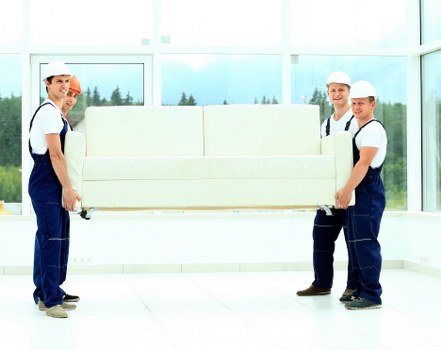
A house move involves much more than placing boxes on a vehicle. A well-organised service can support you at different stages, depending on what you need. Some customers want a full packing and moving solution, while others only need transport and heavy lifting. The right service should be flexible enough to suit the size of your home and the level of help you want.
For many households, the main service typically includes loading, transport, and unloading. However, it may also involve protective wrapping for furniture, handling of awkward items, disassembly and reassembly of selected pieces, and careful placement of goods in the correct rooms. If requested, packing materials and packing help can make the process much easier, especially for busy families or customers with limited time before the move.
Many people also need support for moves between cities, not just within one neighbourhood. Whether you are relocating from The Hague to Utrecht, from Amsterdam to Amstelveen, or from Rotterdam to Delft, a house moving team can help coordinate the route and ensure the items are secured for travel. The aim is to keep your belongings protected while making the process as efficient as possible.
Common services people ask for
Depending on your move, you may want one or more of the following:
- Pre-move assessment to review access, volume, and timing
- Packing support for fragile items, kitchenware, books, and clothing
- Furniture dismantling for beds, wardrobes, shelving, and tables
- Protective wrapping for sofas, mirrors, glass, and wooden surfaces
- Loading and transport with suitable equipment and secure stacking
- Unloading and placement in the correct rooms at the new property
- Reassembly assistance for selected items after delivery
Some people are moving a full family home; others are relocating a one-bedroom apartment, a starter home, or a property with only a few large items. The service should be scaled around your needs rather than forcing you into a fixed approach. That flexibility is one of the main reasons local customers look for trusted house movers in the Netherlands.
For domestic and business moves
Although the main focus is house removals, many local moving teams also support small office and commercial relocations. This can be useful if you are moving a home office, running a small business from home, or transferring equipment between locations. Items like desks, chairs, filing cabinets, IT equipment, and stock need careful handling, especially when time is limited.
For families, students, professionals, and business owners alike, the best outcome is a move that feels organised rather than rushed. That starts with clear communication and a service that is tailored to the kind of property you live in and the type of items you own.
How the moving process works

Booking house removalists in Netherlands should feel straightforward. A good moving process is usually designed to reduce uncertainty, so you know what happens before, during, and after moving day. While every move is different, the overall process often follows a simple sequence.
First, the team will want to understand the details of your move. This may include the address area, property type, number of rooms, access conditions, parking arrangements, and any items that need special care. It helps to mention heavy furniture, awkward staircases, pets, delicate items, and whether you need packing help or furniture assembly. The more accurate the information, the better the plan.
Next comes planning. This is where timing is arranged, vehicle size is considered, and any access details are factored in. If your building needs a lift reservation or if your street only allows loading at certain times, these details should be taken into account early. A local team can often suggest the best order for loading and unloading so the move stays efficient.
Typical moving day flow
On the day itself, the moving crew will usually arrive prepared with the right equipment. That may include trolleys, blankets, straps, wrapping materials, and tools for dismantling furniture. They will then start with any fragile or bulky items that need extra care, followed by boxes and remaining furniture. The goal is to work safely, protect your property, and avoid unnecessary delays.
Here is a simple example of how the day often runs:
- Arrival and walkthrough of the property
- Checking access points, parking, and item list
- Protective preparation for furniture and fragile items
- Loading heavier goods first, then boxes and lighter items
- Transport to the new location
- Unloading into the right rooms
- Reassembly of selected furniture if included
- Final checks before completion
For customers with children, pets, or tight schedules, knowing this sequence helps reduce stress. You can prepare the home around the moving team’s work rather than trying to guess what will happen next. That clarity is a big part of why local removal services are often preferred for residential moves across the Netherlands.
Moving between apartments and houses
The approach can change depending on the property. Apartment moves may require more stair carrying, elevator coordination, or careful use of communal spaces. House moves may involve longer carries from the front door to the truck, garden access, or multiple floors inside the home. A service that adapts to these differences is usually much easier to work with.
Preparation checklist for a smoother move

Preparing well can save a lot of time and prevent avoidable problems. Even when you hire professional movers, there are still things you can do in advance to keep everything organised. The aim is not to do the moving team’s job for them, but to make sure the house is ready and the process can run without interruption.
A simple preparation plan can also help you feel more in control. If you are moving within a busy Dutch city or from a suburban street with limited parking, the last thing you want is to spend moving day searching for boxes, documents, or keys. The more you prepare beforehand, the smoother the whole experience tends to be.
It can help to treat the move as a series of smaller tasks. By dividing the work over several days, you avoid the last-minute pressure that often comes with house removals. This is especially helpful for larger households, shared homes, and moves involving delicate items or a lot of furniture.
Useful checklist before moving day
- Sort and declutter items you no longer need
- Label boxes clearly by room and contents
- Set aside valuables, documents, and essentials separately
- Empty and defrost refrigerators and freezers in time
- Disconnect appliances according to manufacturer advice
- Measure doorways, stairs, and large furniture if needed
- Reserve parking or arrange access permissions where required
- Keep a toolkit handy for small last-minute adjustments
- Pack a first-night bag with essentials, chargers, and toiletries
- Make a note of items that need extra care or fragile handling
One practical tip: keep a clearly marked box with kettle, mugs, snacks, toilet paper, scissors, and phone chargers. It sounds simple, but it makes the first evening in the new home much easier.
If you are moving with children, pets, or elderly family members, think about comfort and routine as well. A quieter room, familiar bedding, or planned childcare can reduce stress while the movers are working. These small details can make the day feel much more manageable.
What to tell the moving team in advance
To help the removalists prepare properly, it is useful to mention any of the following before the move:
- Large furniture or awkward items
- Stairs, lifts, or no-lift access
- Parking limitations or loading restrictions
- Delicate items like artwork, mirrors, or glass tables
- Special building rules or time windows
- Whether packing help or assembly is required
Clear information means fewer surprises on the day. That is one of the simplest ways to make a house move in the Netherlands feel more organised and less disruptive.
Pricing factors and what affects the cost

People often want to know what shapes the cost of a house move. While exact prices vary from one move to another, several common factors usually affect the final quote. Understanding these factors can help you compare options fairly and decide which service is best for your needs.
The first factor is the size of the move. A small apartment with a few boxes and light furniture will usually take less time and require less labour than a large family house. The number of movers needed, the type of vehicle, and the time spent loading and unloading all influence the overall cost.
Distance also matters. Moving across the same city is different from moving between regions or towns. A move from Haarlem to Leiden may involve less travel time than a relocation from Groningen to Eindhoven, for example. Route length, traffic conditions, and access at each property all play a role in planning.
Other factors that may affect the quote
- Volume of furniture and boxes
- Number of floors at each property
- Need for heavy lifting or specialist handling
- Parking distance from door to vehicle
- Packing, wrapping, or storage requirements
- Furniture disassembly and reassembly
- Urgent or time-sensitive moving dates
- Weekend, evening, or peak moving periods
A detailed quote should reflect the actual move rather than relying on guesswork. If the information is clear, customers are better able to understand what is included and plan their budget realistically. That is especially important for families and individuals moving between cities or handling a larger property.
Requesting a free quote is often the easiest starting point. It gives you a chance to explain your situation, ask questions, and compare the level of service offered. A clear quote process is also a strong sign that the company takes planning seriously.
Why quotes should be detailed
A proper moving quote should make sense to you. It should take into account your property type, location, access, and service needs. If your home is in a dense urban area or a building with strict access rules, those details should be discussed early. The more accurate the quote, the more confident you can be when booking your move.
Why choose a local company in the Netherlands
There are many reasons customers prefer a local removal team rather than a distant or unfamiliar provider. Local house movers know the layout of Dutch neighbourhoods, the common access issues in apartment blocks, and the practicalities of getting large items safely out of tight spaces. That local familiarity can save time and reduce stress.
For example, a move in Amsterdam may require close attention to parking and shared stairwells. In Rotterdam, newer apartment buildings may involve lift rules and loading zones. In older city centres like Delft or Leiden, narrow streets and historical building layouts can shape the day. In suburban areas around Utrecht, Eindhoven, or Haarlem, access may be easier, but the volume of furniture and family belongings may be greater. A local team can adapt to these differences quickly.
Local movers are also often easier to coordinate with when your plans change. House removals do not always go exactly as expected. Keys may be delayed, building access may change, or a last-minute item may need to be added. A team that already understands local conditions is usually better placed to respond calmly and keep the move moving.
Benefits customers care about
- Better understanding of local streets and access issues
- More practical planning for apartment and house moves
- Support for moving between nearby towns and cities
- Experience with residential and small commercial relocations
- Clear communication before moving day
- Efficient loading, handling, and unloading
For many customers, the biggest benefit is peace of mind. Knowing your movers understand the local environment makes the whole experience feel more manageable. It also makes it easier to ask questions and arrange the move around your own schedule.
If you are comparing removal services, ask how they handle access, stairs, parking, fragile items, and furniture assembly. Those practical answers often tell you more than a generic description ever could.
Areas covered across the Netherlands
House removal services are useful not only in major cities but also in surrounding towns and residential districts across the country. Customers often move within the same city, between nearby municipalities, or across longer routes connecting different regions. The service should be able to handle both short local moves and more complex relocations.
Common areas that often require house removal support include Amsterdam, Rotterdam, The Hague, Utrecht, Eindhoven, Tilburg, Groningen, Arnhem, Nijmegen, Haarlem, Breda, Zwolle, Maastricht, Delft, Leiden, Amersfoort, Den Bosch, Almere, and many surrounding residential neighbourhoods. Many moves also involve nearby towns, commuter areas, and apartment developments outside the city centre.
Local service is especially helpful in places where road access or building layouts make moving more complicated. Inner-city homes, canal districts, student housing areas, and newer high-density developments can all present different challenges. Residential roads with limited parking or access restrictions also benefit from a team that knows how to plan around them.
Suitable for many customer types
- Families moving to a larger or smaller home
- Couples relocating to a first shared property
- Students moving into or out of apartments
- Professionals changing jobs or moving cities
- Landlords and tenants handling rental moves
- Small businesses moving home offices or equipment
Whether you are moving a single room of belongings or the contents of a full family house, the important thing is that the service fits the move. A good local removalist should be comfortable with different property types and prepared for the realities of Dutch living spaces.
When you are ready to move, contact us today to discuss your needs, request a free quote, or book your service now. A brief conversation can help you decide what level of support is right for your move.
Frequently asked questions
How far in advance should I book house removalists in Netherlands?
It is best to book as early as possible, especially if you are moving during a busy period, at the end of the month, or in peak season. Early booking helps secure your preferred date and gives time to plan access, parking, and any packing or dismantling needs.
Can movers help with both apartments and houses?
Yes. Many customers move between apartments, terraced houses, townhouses, and detached homes. The service can be adjusted depending on stairs, lifts, access restrictions, and the amount of furniture involved.
Do I need to pack everything myself?
Not always. Some customers choose to pack their own belongings, while others ask for packing support. Fragile items, kitchenware, books, and decorative pieces often benefit from careful packing by experienced movers.
Can the movers dismantle and reassemble furniture?
In many cases, yes. Beds, wardrobes, shelving, and other bulky items are often easier and safer to move when dismantled. It is useful to mention these items in advance so the crew can prepare the right tools.
What if my street has limited parking or access?
This is common in Dutch cities and should be mentioned early. A local moving team can often advise on the best approach, whether that means timing the arrival carefully, planning a shorter carry route, or arranging around loading restrictions.
Are house removal services suitable for small business moves too?
Yes, many teams also support small commercial and home-office relocations. If you need to move desks, filing units, office equipment, or stock, the move can often be planned in a similar way to a residential relocation.
What should I do before moving day?
Start by decluttering, labelling boxes, confirming access arrangements, and setting aside important items you want to keep with you. A well-prepared home makes loading and unloading much easier.
How do I know what service level I need?
That depends on the size of your home, the items you own, and how much help you want. If you have large furniture, limited time, or a difficult access situation, a fuller service may be more practical. If your move is small and simple, basic loading and transport may be enough.
Make your move easier with the right support
Relocating is one of those tasks that feels much easier when the right people are involved. The best house removal service is not just about strength and transport. It is about planning, care, communication, and an understanding of local conditions. That is especially true in the Netherlands, where property layouts, stair access, parking limits, and city traffic can all influence the move.
If you want a smoother transition to your new home, choose a team that understands residential moving in Dutch towns and cities, can adapt to your property type, and is ready to help with the practical details that matter. Whether you are moving across town or to another region, the right movers can help keep the day organised and reduce unnecessary pressure.
Ready to move? Contact us today, request a free quote, or book your service now to take the next step with confidence.