Recycling and Sustainability at Netherlands Removals
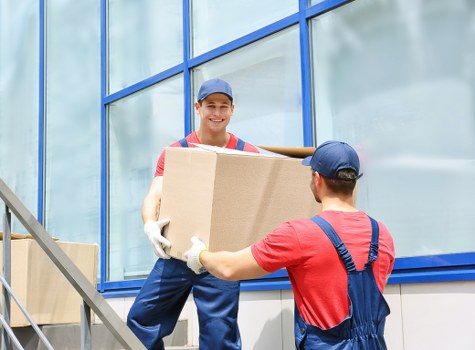 At Netherlands Removals, sustainability is built into the way we plan, pack, move, and clear spaces. Our recycling and sustainability approach is designed to reduce landfill, support local reuse, and make every move as resource-conscious as possible. We believe a modern removals company should do more than transport belongings from one address to another; it should actively support circular economy practices across the communities it serves. That is why our operations focus on careful sorting, responsible disposal, and practical reuse wherever possible.
One of our key goals is to achieve a recycling percentage target of 95% across suitable waste streams from removals, clearance work, and packing material recovery. This target reflects a commitment to separating recyclable materials before they become general waste. Cardboard, metals, untreated wood, certain plastics, textiles, and reusable household items are all assessed for recovery. By setting a clear target, our Netherlands Removals recycling programme stays measurable, accountable, and continuously improving.
Our teams make use of local transfer stations and licensed waste facilities to ensure materials are processed efficiently and in line with local regulations. In busy urban areas, the ability to route waste through nearby stations helps reduce journey lengths and improves sorting outcomes. This is especially important for a removals and recycling service working across mixed residential and commercial districts, where different waste streams often need different handling routes.
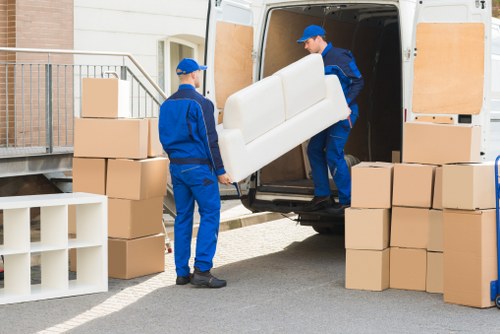 We also work with borough-specific expectations around waste separation, recognising that many areas use distinct collection rules for paper, food waste, mixed dry recycling, and bulky items. In practice, this means our crews pay close attention to what can be reused, what must be broken down for recovery, and what needs specialist treatment. In some boroughs, there is a stronger emphasis on separated cardboard and plastic film, while others prioritise wood, metal, and WEEE handling. Our flexible process supports these local systems rather than working against them.
Another important part of our sustainability work is our network of charity partnerships. When we remove items that are still in usable condition, we aim to direct them towards community organisations, donation partners, and reuse projects. Furniture, kitchenware, books, home textiles, and office equipment can often find a second life through charitable channels. This helps reduce waste and supports people who can benefit from affordable or donated goods, making eco-friendly removals in the Netherlands more socially valuable as well as environmentally responsible.
These partnerships are especially useful during home clearances and office relocations, where a significant portion of items may still have life left in them. Rather than sending everything to disposal, our assessment process separates reusable goods first. Items that are suitable for donation are kept apart from recycling streams, allowing us to support a more circular flow of materials. This is a practical example of how sustainable removals Netherlands services can contribute to local wellbeing.
 Transport is another area where we continue to make improvements. Our fleet includes low-carbon vans designed to reduce emissions on urban and regional routes. By using efficient vehicles with lower fuel consumption and cleaner performance, we can cut the environmental impact of day-to-day operations. These vans are especially valuable for city moves, where stop-start traffic and short-distance journeys can quickly increase emissions if older vehicles are used.
We plan routes carefully to make each journey as efficient as possible. Fewer empty runs, better load planning, and smart scheduling all help reduce fuel use and unnecessary travel. Combined with our low-carbon removals vehicles, this approach supports a smaller carbon footprint across the whole service. It also helps us respond effectively to the demands of busy boroughs, where access restrictions, parking limitations, and local traffic patterns can affect the efficiency of a move.
Our approach to materials recovery is equally detailed. During a relocation or clearance, we separate waste into practical categories so that recyclable items are not mixed with general refuse. Cardboard boxes, bubble wrap where accepted, metal shelving, and certain electronic components may all follow different recovery paths. This hands-on method improves the quality of the recovered material and supports better outcomes at sorting facilities and transfer stations.
Recycling at Netherlands Removals is not treated as an afterthought. It is part of the operational plan from the moment a job is booked. We consider what packing materials can be reused, which items can be donated, and how waste should be separated for the most effective recovery. For customers, that means a service that is not only efficient but also aligned with modern expectations for responsible moving and disposal.
The same mindset applies to office moves, where desks, chairs, archive materials, and IT equipment may all require different handling. Many businesses now expect a more structured approach to waste separation, and our team works accordingly. By keeping recyclable items distinct and arranging suitable transfer routes, we help ensure that valuable materials are returned to the resource cycle rather than lost to landfill. This is one reason our recycling-focused removals service is increasingly relevant in compact urban settings.
 As sustainability becomes more important across the Netherlands, we continue to refine our processes in line with local recycling expectations, charity reuse opportunities, and cleaner transport options. Whether we are handling a household move, a flat clearance, or a commercial relocation, the aim is the same: reduce waste, recover more, and move smarter. Our Netherlands Removals sustainability strategy reflects a straightforward belief that good logistics and environmental responsibility should work together.
 Looking ahead, our commitment remains clear: keep pushing toward higher recycling rates, maintain strong links with local transfer stations, expand partnerships with charities, and grow the role of low-carbon vans in our fleet. This combination allows us to deliver responsible removals in the Netherlands that support both customers and communities. By treating waste as a resource and planning each journey with care, we are helping to shape a cleaner, more circular future for the places we serve.